~ Edward Wintergem

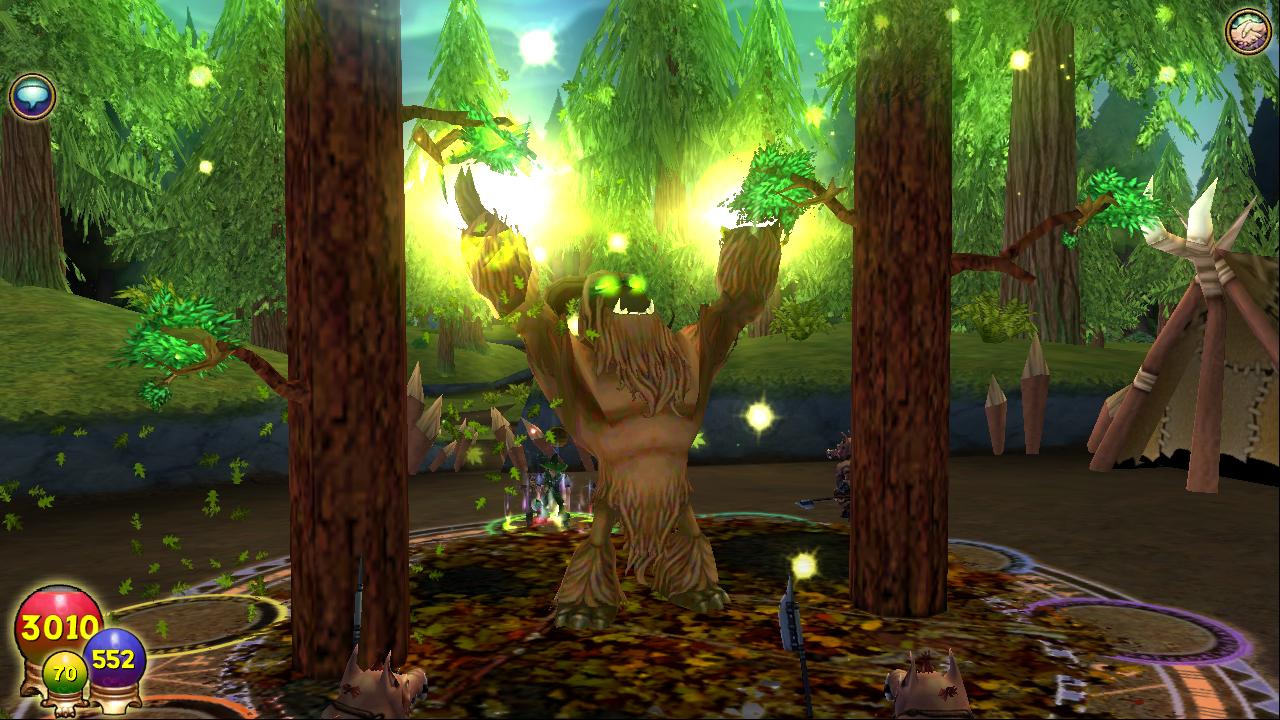 YouTube Featured Video of the Week
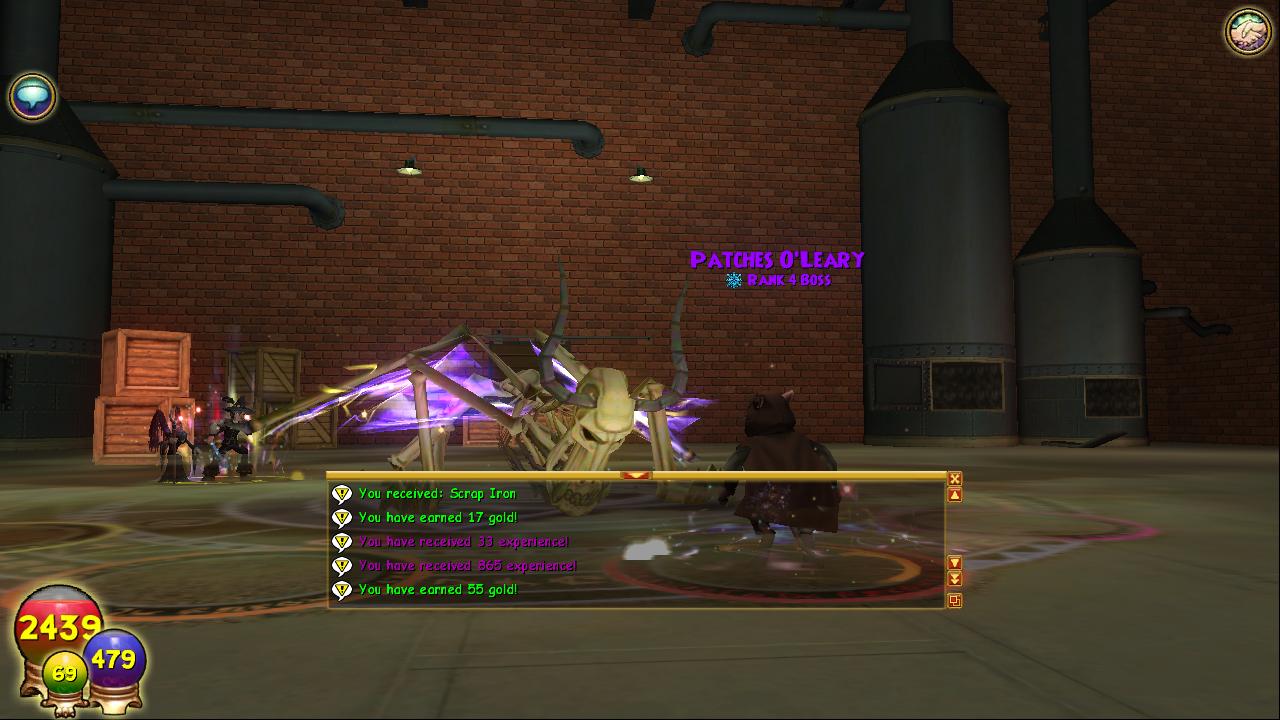
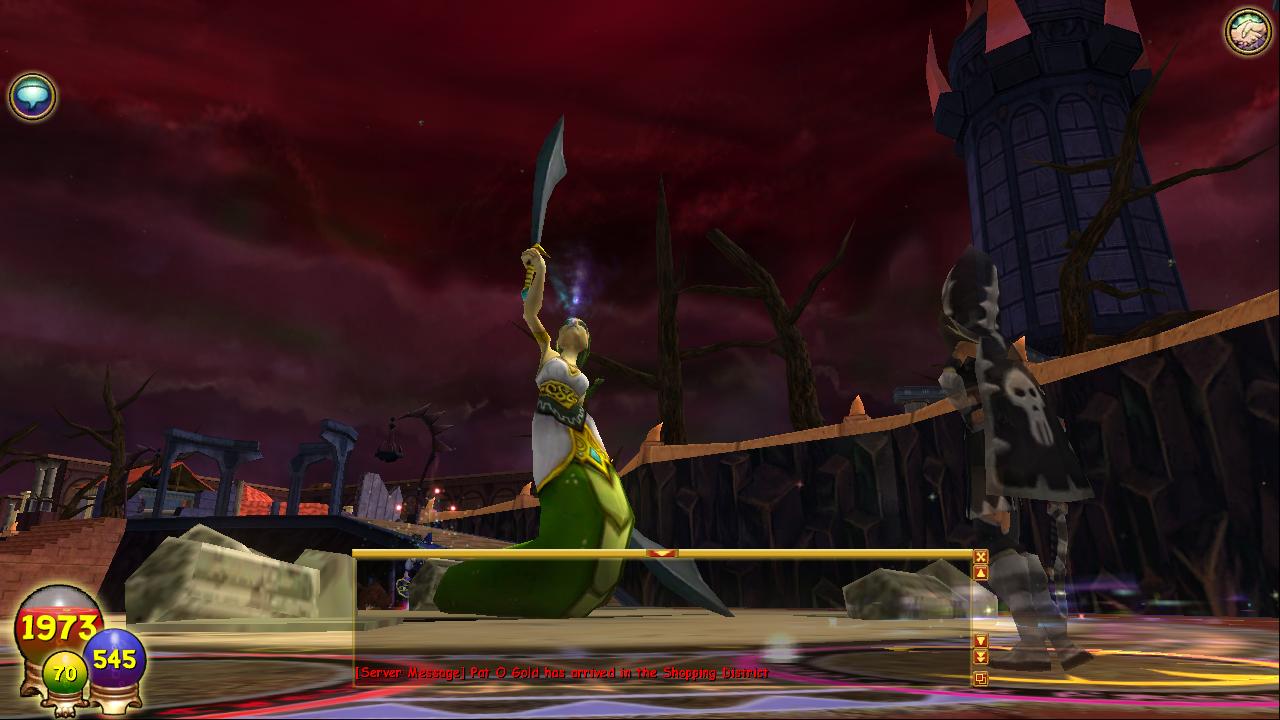
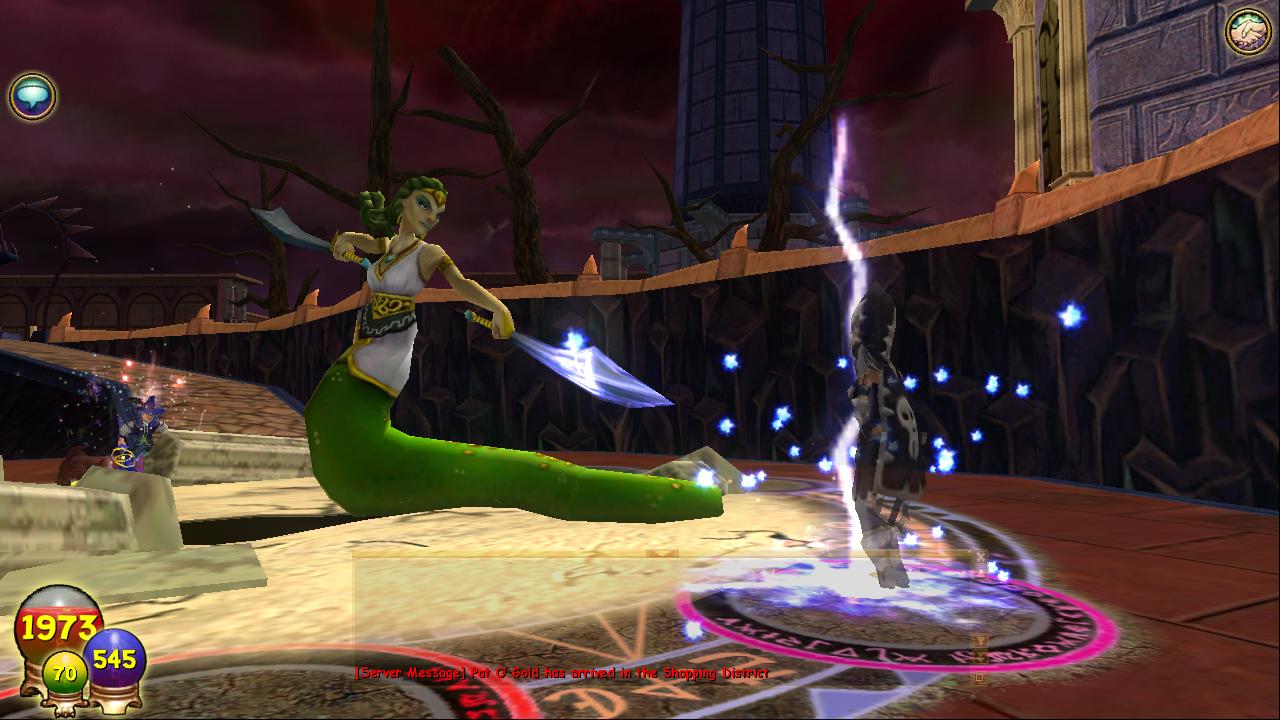
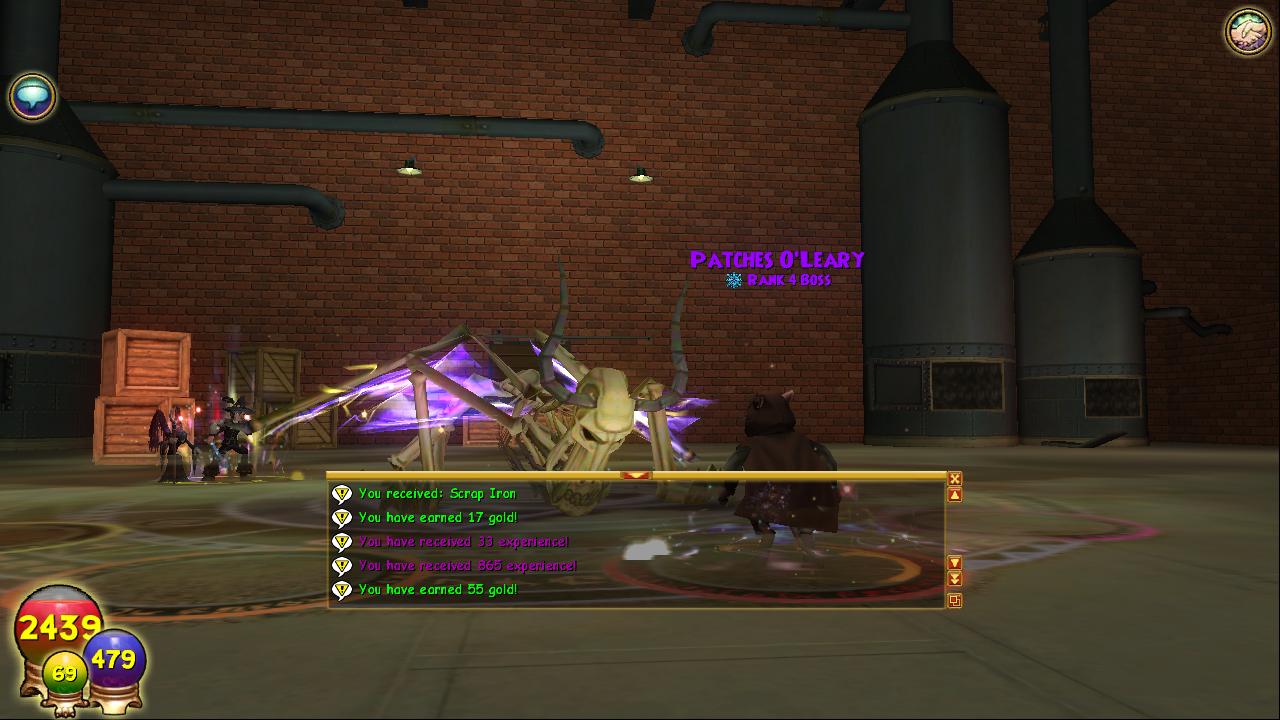 Another exciting new feature is new and upgraded spells. With Celestia, we gave you some visually super cool epic spells, and now we’re adding more toys for your arsenal. With our new content, we allow your Wizard's other spells to gain in power as well. Your Wizard will be able to “upgrade” one existing spell and will get something new. Your Wizard must be level 58 to get these quests. It won’t be as easy as walking up to a trainer, but you should find that your time obtaining them has been well spent.
  This is how I got my start in the industry right out of college. Basically, you ran through every nook and cranny of a game, looking for issues and reported them to the development teams. While it sounds awesome to play a game all day and get paid, generally, you end up having to do the tedious stuff more than the fun stuff. For example, you may have to run into every wall in a certain level. If you fall through, you have to replicate that ten times, and then provide the development team a consistent way to get it to happen. If the development team got a report that says “I crash when I put equip my weapon”, if it doesn’t happen every time you equip a weapon, QA has to figure out what weapons make the game crash and under what conditions. There are a lot of conditions! This job typically requires serious organizational skills, attention to detail, and willingness to work long hours before a project’s completion. Also, invariably, you are going to be one of the most knowledgeable folks in the company about the game as a whole.
  The game I worked on previously shipped, and I wanted to stay involved with it, so I moved to being a Game Master (which meant providing customer service to the fine folks playing the game). This entailed everything from assisting customers with account and billing issues, sifting through harassment reports, replacing lost items, collecting information and helping people if any game issues happened, and settling disputes over popular content. Very occasionally, I got to jump in game and duel people or run events, but only when things were slow! This job took a lot of patience, compassion, and organization, but didn’t typically require the long hours QA did.
  Working closely with the same title, I found I really loved the stories and experiences it offered, so wanted to help write more. I started as an Apprentice, learning the ropes by working after my normal shift in Customer Service. As I got more experienced, I moved to working as a designer full time, and I did everything from writing and implementing quests, working on spells and combat, class balancing, making cool and unique boss fights, making items and rewards, fixing bugs, and revamping old content. After a while, I began coming up with plans for each update, and divvying up the work among the team, overseeing that the changes were made with a spirit of fun, balance, and excitement. This job took a lot of creativity, logic, stubbornness, and an awareness of the game community -- as well as being familiar with the games industry as a whole.
  While I was a designer, I found that I actually had a lot of interest and passion for the planning and scheduling part of the job, so I gave this position a try and it stuck. Though I held a lot of different responsibilities as an associate producer, the most important duties were the day-to-day task of keeping tabs on the schedule and the team. This involved a lot of work creating and maintaining project documents, keeping on top of what everyone’s current and next tasks are, and generally hunting down and solving the hundred different types of minor problems that can spring up. This job took a lot of organization, logic, problem solving, and again, a healthy dose of sheer stubbornness.